Saving the Oaks
Breaking the Death Spiral and What Arborists Can Do


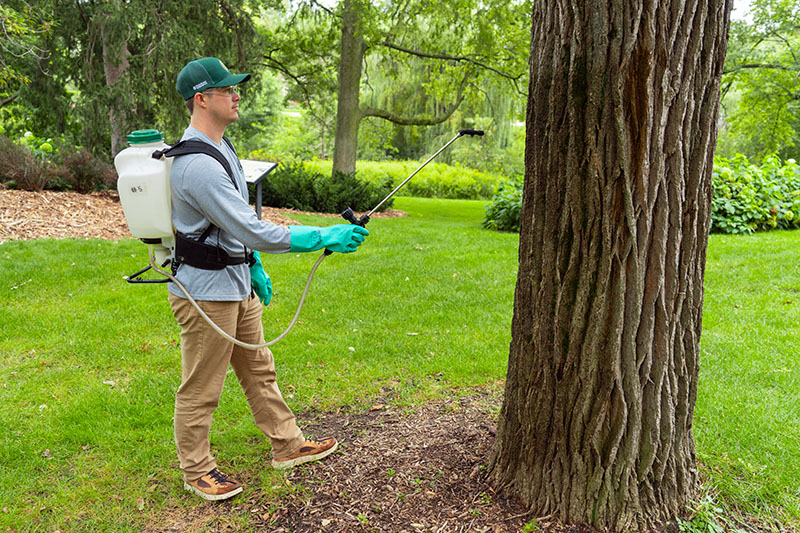
The iconic oak tree, a symbol of strength, longevity, and endurance, is facing an unprecedented crisis. Across North America and beyond, legacy oaks, those magnificent, mature trees that anchor our forests, parks, and urban landscapes, are dying at an alarming rate. This phenomenon is rarely attributable to a single cause; instead, it results from a compounding set of stressors known as the “oak death spiral.”
For the modern arborist, understanding the mechanisms of this spiral is no longer optional; it is essential for preserving these keystone species and for building a robust plant health care (PHC) program.
Oaks Are Important: The Keystone Role of Quercus
To appreciate the gravity of the oak crisis, one must first recognize the genus Quercus as an ecological and cultural powerhouse.
Ecological and Biodiversity Anchor
Oaks are the quintessential keystone species of many North American and Eurasian ecosystems. They support a greater level of biodiversity than virtually any other tree genus.
• Pillar of the Food Web: Oaks host over 950 species of caterpillars — essential food sources that drive the breeding success of most terrestrial birds. Removing an oak has a cascading, negative effect on the entire food web.
• Fungus and Fungi: They form critical symbiotic relationships with mycorrhizal fungi, which are vital for nutrient and water absorption, and their presence is often linked to the growth of valuable truffles.
• Wildlife Sustenance: Acorns are a calorically dense, critical food source for nearly 100 species of animals, including deer, squirrels, wild turkeys, and black bears.
History, Lore, and Economic Value
Oaks have been integral to human civilization for millennia, serving as living monuments and critical resources.
• Cultural Symbolism: From the ancient Greeks who associated the oak with Zeus, to the Celts whose word for priest (druid) is linked to the word for oak (Deru), the tree represents strength, longevity, and divine power. It is the national tree of 15 different nations, including the United States.
• Economic Utility: Oak timber is prized globally for its hardness and durability, making it the choice material for construction, flooring, and shipbuilding. Crucially, oak wood’s unique chemical profile, rich in tannins, is indispensable for aging wines, whiskeys, and sherries, imparting complex flavors. The word “cork” itself is derived from the cork oak (Quercus suber).
The loss of an ancient, high-value oak is, therefore, not just the loss of a single organism, but the degradation of an entire system, a loss that arborists are uniquely positioned to prevent.
The Mechanics of the Oak Death Spiral
The core challenge facing legacy oaks is not a singular pathogen, but a chronic, systemic decline process. The death spiral is a consequence of accumulating stress, where initial, non-lethal factors weaken the tree, inviting secondary, lethal attackers that lead to rapid mortality.
The spiral can be broken down into three cascading categories of stress factors:
Predisposing Factors (Chronic Stressors)
These are long-term, non-reversible factors that establish a baseline level of stress, fundamentally lowering the tree’s defensive capacity.
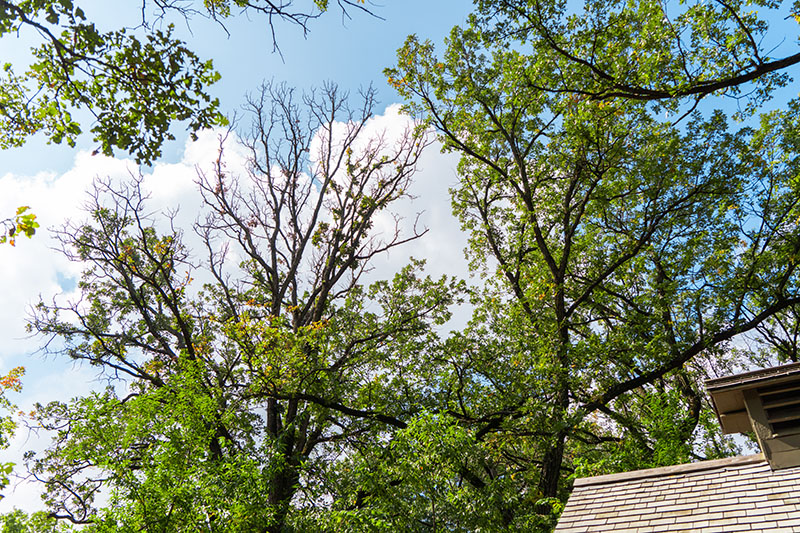
• Maturity (Senescence): As oaks age past their peak vigor, their natural defense systems become less efficient.
• Site Factors: Trees planted in non-native or restrictive environments (urban settings) face inherent challenges: poor drainage, chronically high or low pH, and inadequate soil volume.
• Poor Adaptation: Many established oaks, especially those in urban centers, are not genetically suited to the current environmental conditions they face, a discrepancy that is amplified by climate change.
Inciting Factors (Acute Stressors)
These are short-term, acute events that trigger a sharp drop in the tree’s energy reserves and initiate the visible decline.
• Weather Extremes (Climate Stress):
○ Droughts: Prolonged water deficit is the primary driver. It impairs photosynthesis, damages fine feeder roots, and forces the tree to spend energy on survival rather than defense.
○ Floods/Saturated Soil: Prolonged saturation suffocates roots by creating anaerobic conditions, mimicking severe drought symptoms above ground.
○ Temperature Spikes: Unseasonal late frosts or extreme heat waves can cause massive physiological shock.
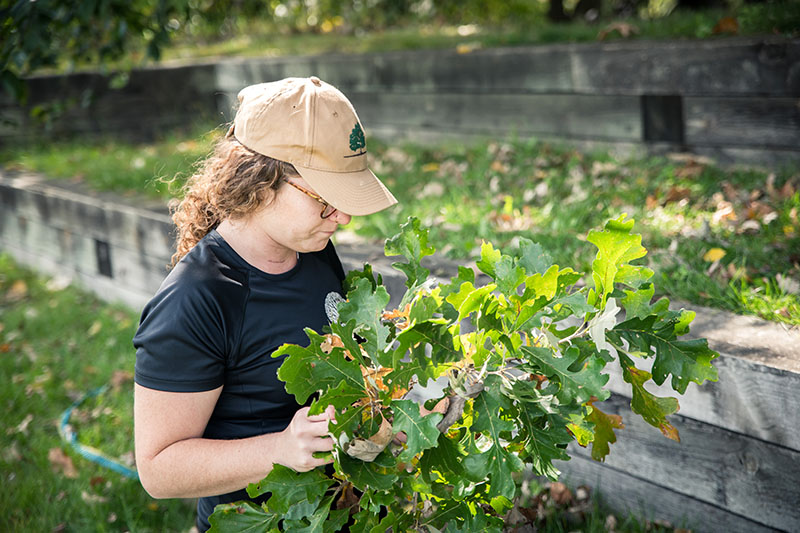
• Anthropogenic Trauma:
○ Construction Damage: Root cutting, soil grade changes, or heavy equipment traffic severely damage roots and compact the soil, immediately compromising water and nutrient uptake.
○ Major Defoliation Events: Severe, repeated defoliation by insects (e.g., Spongy moth) forces the tree to expend massive energy reserves on re-leafing, leaving it severely depleted.
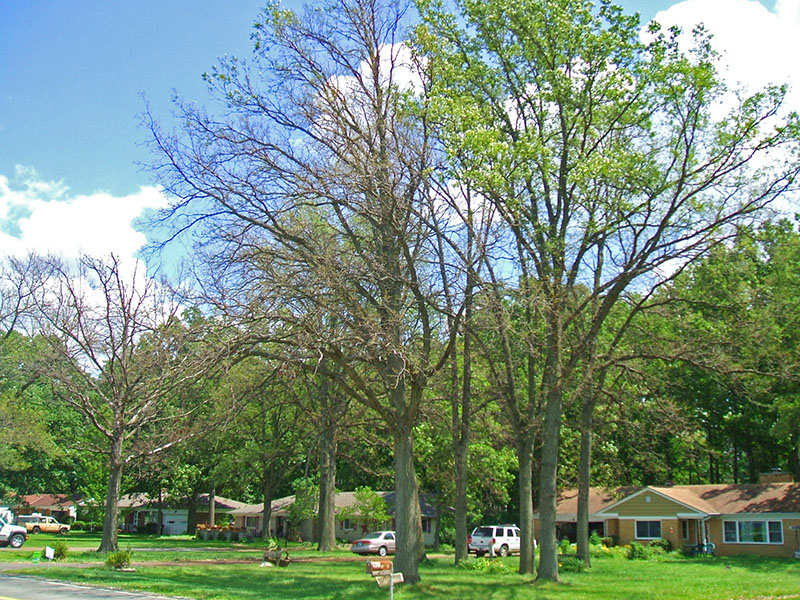
Contributing Factors (The Finishers)
Once a tree is compromised by predisposing and inciting factors, it becomes a target for opportunistic pests and pathogens, which are often the final cause of death. These are the secondary organisms that the tree would normally fend off if healthy.
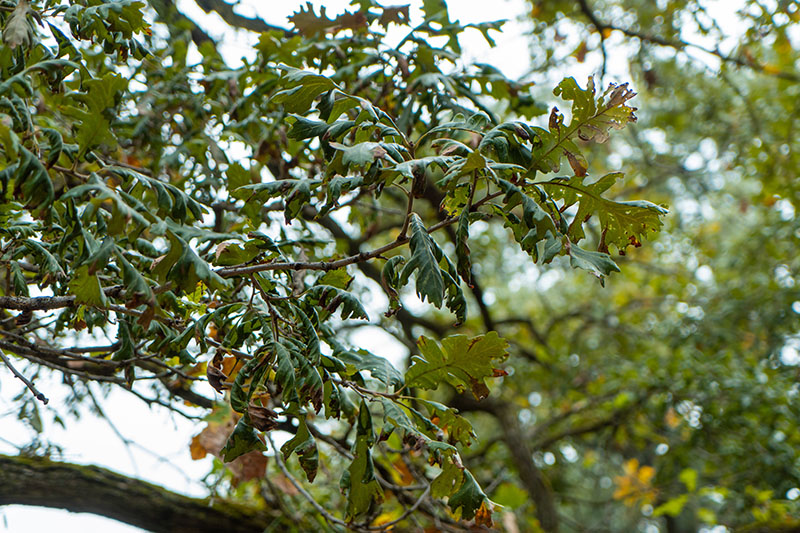
• Invasive Insects: Many of these secondary pests, such as two-lined chestnut borer, Mediterranean oak borer, shothole borers, spongy moth, lecanium scale, ambrosia beetle, and many more, are attracted to stressed oaks. If unprotected, they can cause rapid dieback, leading to tree mortality within just a few years.
• Fungal and Bacterial Diseases: These diseases often invade severely stressed or declining oaks and compromise the tree’s vascular system. Common oak diseases across the country include oak wilt, root rot, anthracnose, bacterial leaf scorch, bur oak blight, sudden oak death, powdery mildew, and more.
How Arborists Can Intervene: The Good, Better, Best Approach
The most important factor in protecting and preserving oak trees is the client. By educating them about the Oak Death Spiral and offering services that address not only the visible symptoms but also the underlying causes, we empower them to make informed, long-term decisions for their trees. A scalable framework to align customer needs with appropriate interventions is through a “Good, Better, Best” approach.
This tiered approach allows you to tailor services based on each client’s priorities, budget, and severity of the oak’s condition. By providing clearly defined levels of service from addressing immediate issues to long-term system health, you help clients understand their options and choose the level of intervention that best supports the health and longevity of their oak trees.
Good: Addressing the Immediate Issue (Symptom Management)
This foundational tier focuses on immediate, visible problems to stabilize the tree and prevent further rapid decline. It is the essential first step for any compromised oak.
• Targeted Insect and Disease Management: Utilizing diagnostic tools to identify specific pests (e.g., borers, scale, gall wasps) or pathogens (e.g., oak wilt, anthracnose, leaf spot). Treatment involves precisely timed applications of dormant oils, systemic insecticides, or fungicides, minimizing environmental impact while maximizing efficacy.
• Proper Mulching and Watering Techniques: Implementing best practices for cultural care. This includes establishing a proper mulch ring (2-4 inches deep, kept away from the trunk flare) to moderate soil temperature, retain moisture, and reduce turf competition. It also involves educating the client on deep, infrequent watering, especially during periods of drought stress, to encourage deep root growth.
Better: Improving Tree Vitality (Good + Health Enhancement)
Building upon the foundational “Good” practices, this tier aims to actively strengthen the tree’s natural defense mechanisms and improve its overall vigor, making it more resilient to future threats.
This includes all “Good” interventions, plus:
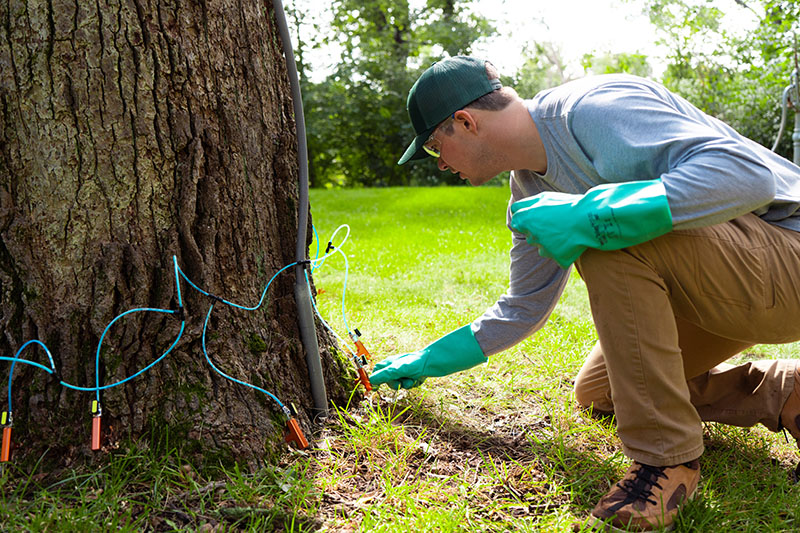
• Application of Plant Growth Regulators (PGRs): Using specialized chemicals to redirect the tree’s energy. PGRs can suppress canopy growth, diverting the energy typically used for shoot elongation into fine root development, thicker leaves, and stored energy reserves, thereby increasing drought and stress tolerance.
• Nutritional Supplementation/Fertilizer: Conducting soil or foliar analyses to determine specific nutrient deficiencies. Customized fertilization programs, often involving slow-release, balanced formulations injected into the root zone, are used to correct imbalances, promote photosynthetic efficiency, and enhance wound compartmentalization (the tree’s natural defense against decay).
Best: Long-term System Health (Better + Soil Optimization)
The comprehensive “Best” tier recognizes that the true health of an oak resides in the health of its supporting soil ecosystem. This approach is the gold standard for preserving legacy trees and extending their lifespan.
This includes all “Better” interventions, plus:
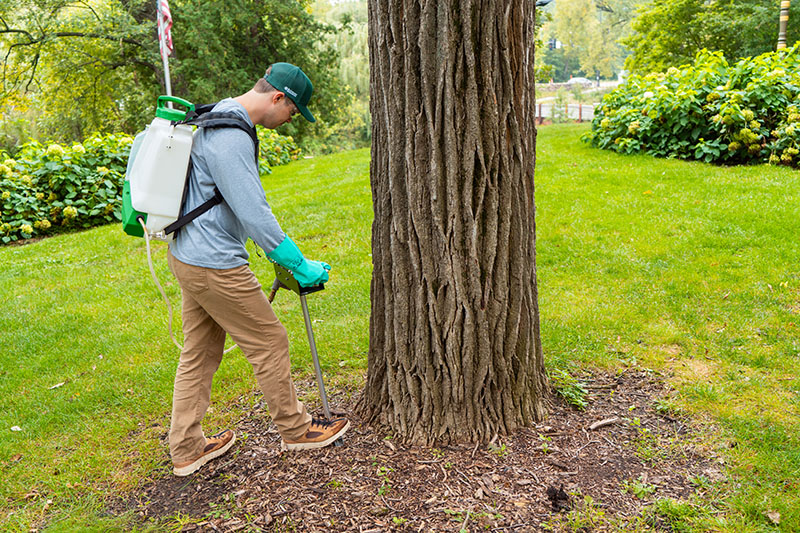
• Strategic Soil Amendments: Introducing biological inoculants, such as beneficial mycorrhizal fungi, along with organic matter, humic acids, or specific minerals. These amendments restore the natural biotic life in the soil, improving nutrient uptake, water-holding capacity, and root-pathogen suppression.
• Comprehensive Soil Remediation: Addressing chronic, underlying soil issues. This may involve sophisticated practices like vertical mulching or the installation of permanent subsurface aeration systems to improve gas exchange and reduce water stagnation in the root zone.
• Addressing Soil Decompaction: Utilizing air-spade technology to physically break up compacted soil layers without damaging structural roots. Compaction is a primary stressor in urban environments, severely limiting root growth and oxygen availability; decompaction is essential for long-term health and the restoration of a healthy soil structure.
Conclusion
The fate of our legacy oaks rests largely in the hands of arborists and plant healthcare professionals. The challenges are formidable: a changing climate, unsustainable urban environments, and an array of opportunistic pests and diseases. However, the oak death spiral is not a terminal diagnosis.
By following the “Good, Better, Best” approach, arborists can successfully intervene and interrupt the spiral, revitalize tree health, and restore the natural defense systems of these magnificent keystone species. Oak trees are such a significant part of our history and culture that your clients will want to help you save these trees. By establishing a proactive PHC program with them, you will not only secure the future of the great oak but also position yourself as an essential steward of our most valuable natural assets.