The Seven Most Difficult Tree Species to Manage
According to Tree Care Experts


Not all trees are equal — at least not when it comes to managing them. Some species demand far more time, attention, and expertise than others, and many arborists develop strong opinions about which ones push their skills to the limit. A tree may be aesthetically impressive or ecologically valuable, but from the standpoint of maintenance, risk mitigation, and long-term health, certain species consistently prove more difficult to work with.
Of course, it mostly depends on how the tree interacts with its surrounding environment. Some trees exhibit erratic or aggressive growth patterns that bring them too close to structures, utilities, or pedestrian areas. Others have expansive, shallow, or adventitious root systems capable of heaving sidewalks, invading foundations, or disrupting landscaping.
Many species also come with biological vulnerabilities — susceptibility to invasive insects, fungal pathogens, drought stress, or storm damage — that require frequent monitoring and intervention. Even seemingly routine tasks, such as pruning or cabling, become more complex when a species is known for brittle wood, rapid decay, or awkward branch architecture.
Across the industry, tree care professionals tend to agree that a handful of species rise above the rest in terms of difficulty. Whether due to structural issues, site conflicts, or persistent health challenges, these seven trees are widely regarded as some of the most troublesome to manage. Here is why they earn that reputation.
1. Bradford Pear
If there’s one species just about everyone in the tree care industry has on their problematic list, Bradford pear is it.
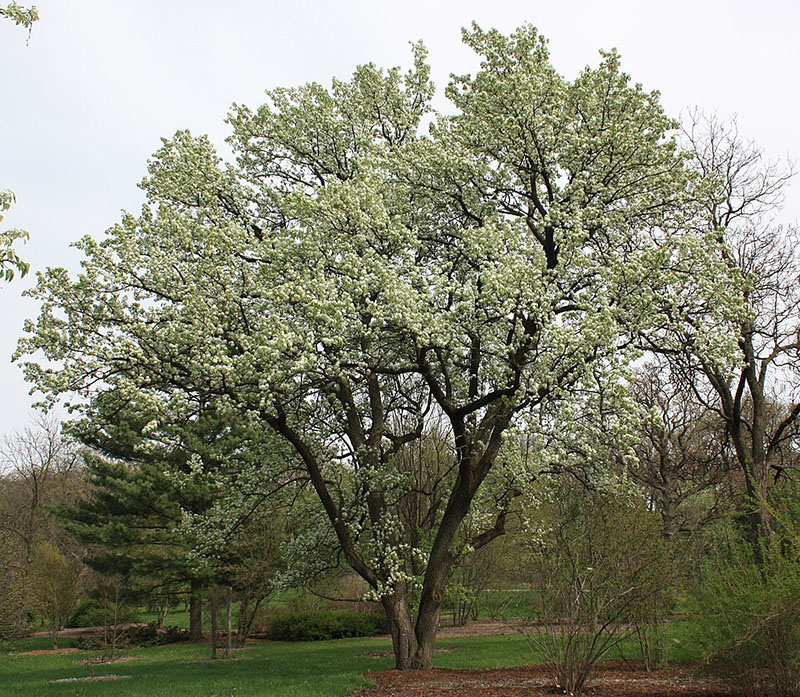
An invasive species, Bradford pears are known for their uniform, pyramidal to oval crown when young. It’s a popular tree, seen in streetscapes and yards around the country. But it has its challenges (besides the odor when it blooms).
They are often praised for their symmetrical appearance in landscapes, but this symmetry is short-lived. As the tree matures, the narrow branch angles and dense branching create significant structural weaknesses that lead to frequent splitting.
“Bradford pear is super weak,” Bill Burley, CEO of Heli-Ax, said.
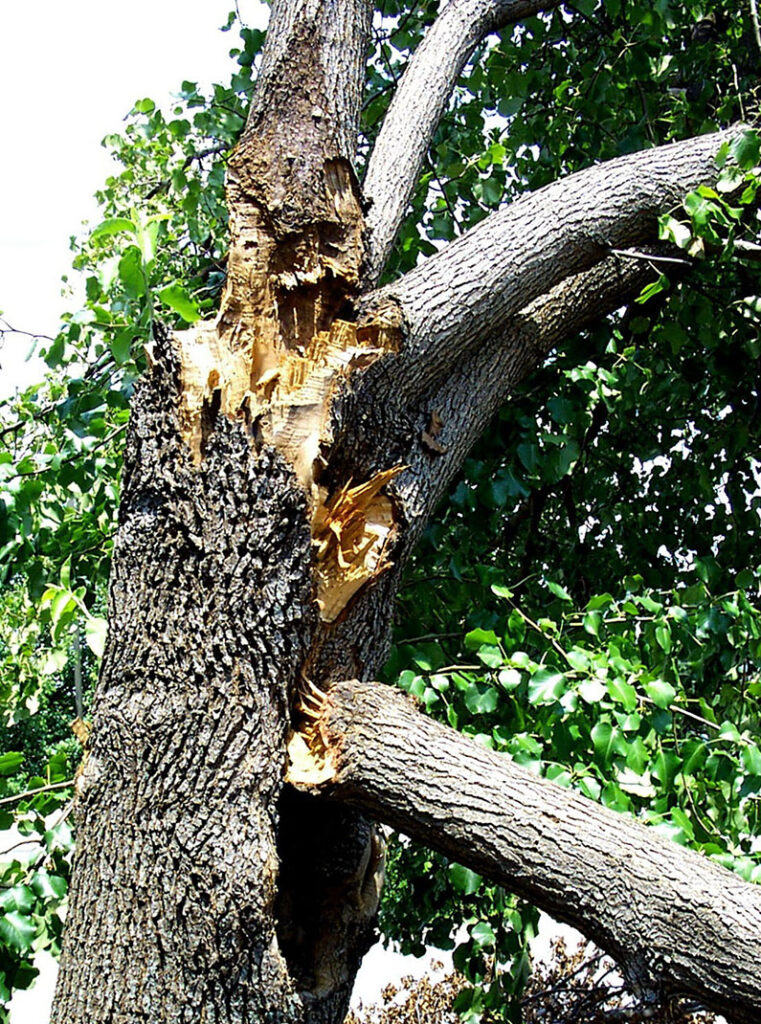
Burley explained that Bradford pear has a characteristic shared by many problem trees: aggressive growth. He said it leads to brittle trees, which have an increased risk of failing, something the Bradford pear is well known for. In fact, it’s quite common that these trees begin to split under the weight of their own growth after a couple decades, according to Theresa Culley, professor of biological sciences at the University of Cincinnati.
Not surprisingly, with such fragile structure, Bradford pears require careful and close maintenance.
“They can fail if they’re not managed,” Dane Buell, an arborist with 40 years of experience in the field, explained.
Pruning has to be persistent so that the branches don’t become too heavy and begin to snap. Bartlett Tree Services recommends thinning the canopies roughly 15 percent, including “live, rubbing, and interfering branches, as well as dead branches 1” and larger.”
Buell noted that some trees are just temporary, and Bradford pears are often among those that can and will “self-destruct” if not cared for.
2. Zelkova
A close relative of the elm, the Japanese zelkova (Zelkova serrata), is often used as an ornamental street tree. In its youth, these trees have smooth, gray bark, but as they mature, they shed this outer layer to reveal reddish-orange layers underneath.
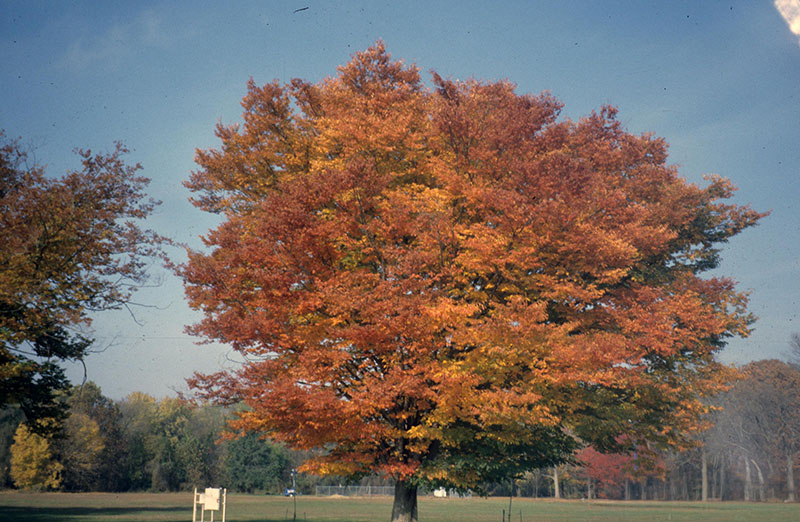
Unlike the Bradford pear, zelkovas have a much stronger branch structure and maintain sturdy branch unions. Instead, the problem for this species lies with its root system.
“Encircling or girdling roots is a problem with that species [zelkova] in particular,” Buell explained.
When roots encircle the base of a tree, they strangle the trunk and can compromise nutrient transport from the roots. According to Buell, this type of root formation can also create structural vulnerabilities, such as significant leaning or swelling, and ultimately suffer a slow decline in health. Removal of encircling roots is often tricky, and if not done correctly can damage the stem and lead to a quicker death for the tree.
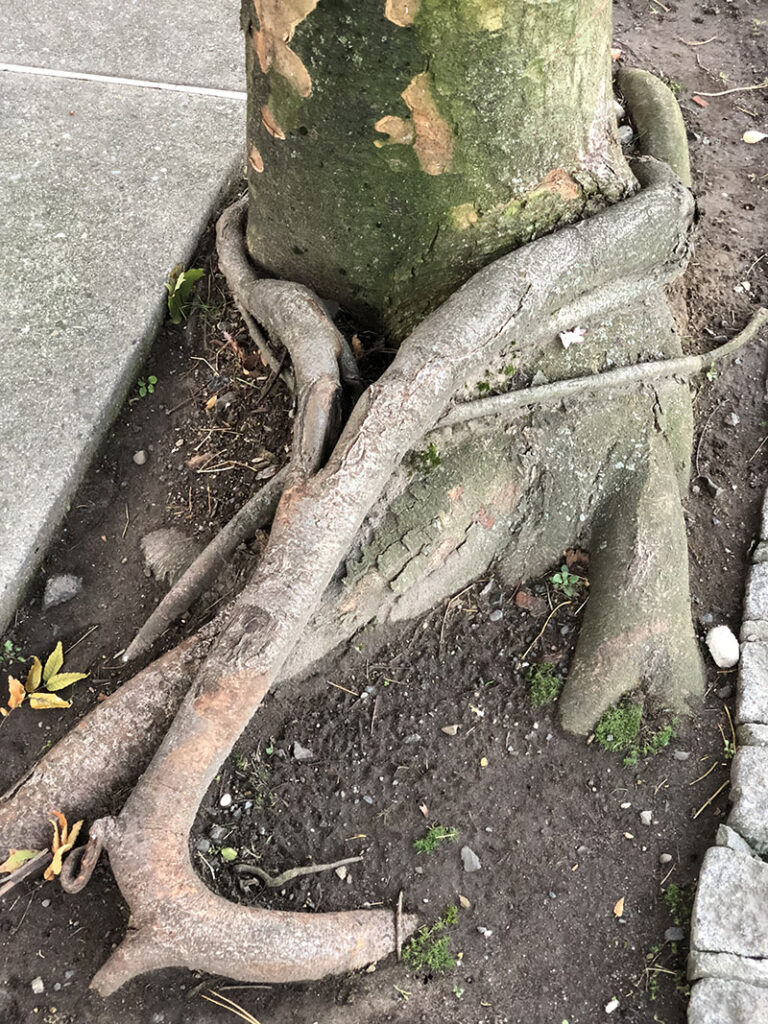
As an ornamental tree, zelkovas will also tend to have a smaller work area — through no fault of their own. But having sidewalks and other structures nearby can make it harder to make the right incisions on the tree’s roots.
3. Silver Maple
Acer saccharinumgoes by many common names, but one of the most familiar is the silver maple. True to its name, the silver maple is surely an eye-catcher. With even the slightest breeze, the silvery undersides of the leaves shimmer and glisten in the light. Beautiful as they are, though, these trees are often plagued by decay and fungal issues.
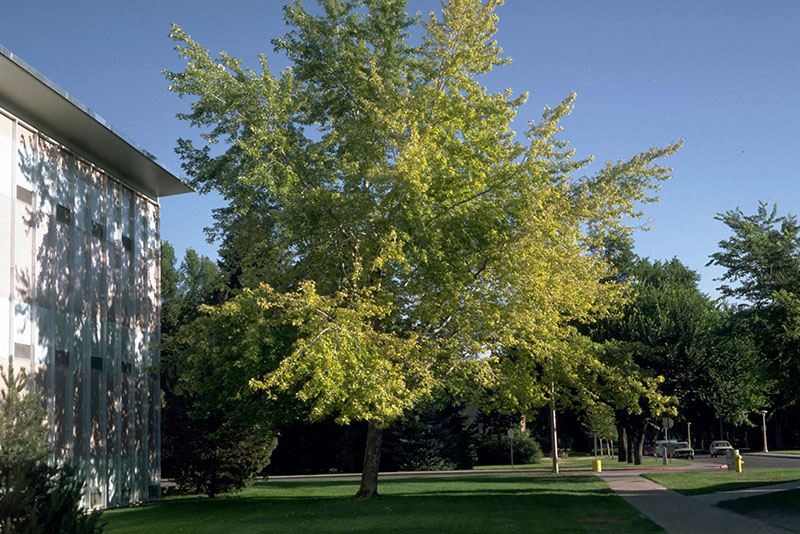
“Some species, like silver maple, are not good at managing fungi,” Buell shared. “When the pathogens infect the tree, the tree doesn’t have a lot of natural mechanisms to manage it.”
Because of its soft wood, silver maples are especially vulnerable to wood-rotting fungi like Eutypella cankers (Eutypella parasitica). Other common fungal conditions include anthracnose, tar spots, and leaf blister fungus. However, the most devastating disease for silver maples is verticillium wilt which can cause sudden death for the tree.
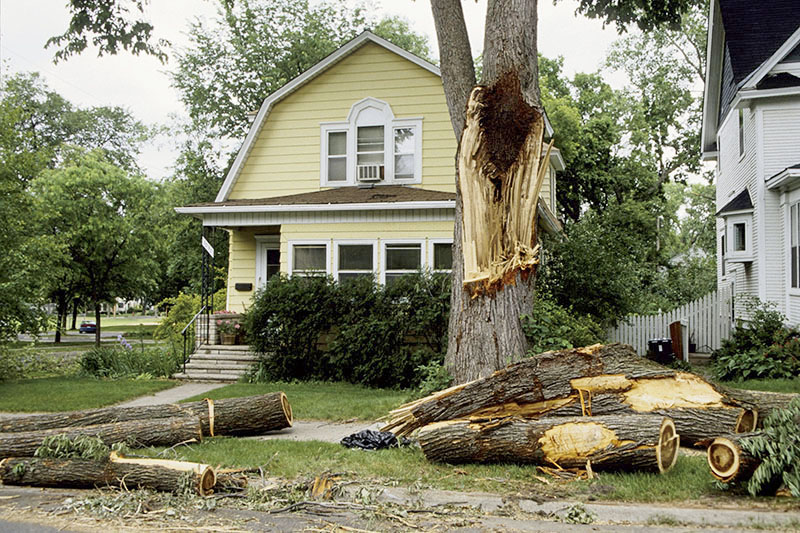
Treatment becomes an ongoing issue and options are a bit limited. Large cuts open pathways for the fungi to follow. So, the tree is either removed entirely or pruned to reduce its size.
Silver maple falls into a broader category of soft-wooded deciduous trees that are often fast growing and prone to rot issues, according to Kevin Brewer, technical anager for the Northeast at ArborJet. Not surprisingly, this category also includes the ever-famous Bradford pear — this alone demonstrates just how difficult it is to treat these trees.

4. Ash Tree
Ash trees (Fraxinus species) include a variety of subspecies that have populated the backyards and woodlands of the U.S., including green ash (Fraxinus pennsylvanica), white ash (F. americana), black ash (F. nigra), and blue ash (F. quadrangulata). Ash trees are quite common in suburbia, and like zelkovas, are common choices for street trees. Its leaves are largely responsible for the myriad colors we see during the fall, turning yellow, orange, or a reddish-purple once the cool air rolls in.
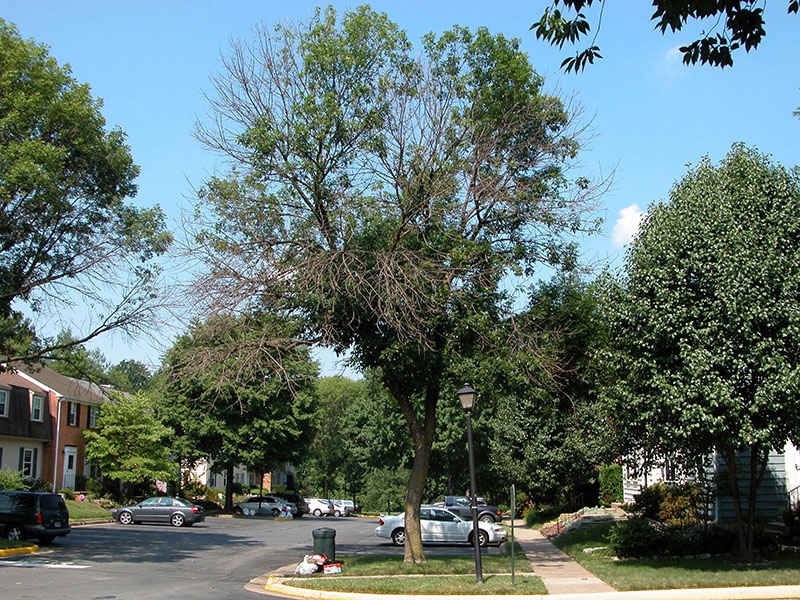
Of course, the ash tree wouldn’t have made it onto this list without its challenges. However, its place among the most difficult species is largely through no fault of its own. It’s a prime example of what can happen when a native species is exposed to invasive insects.
For the past two decades, the ash tree has suffered widespread destruction from the emerald ash borer (EAB), a wood-boring insect native to Asia. According to Buell, species like the ash tree are often facing threats from sources they were never intended to fight.
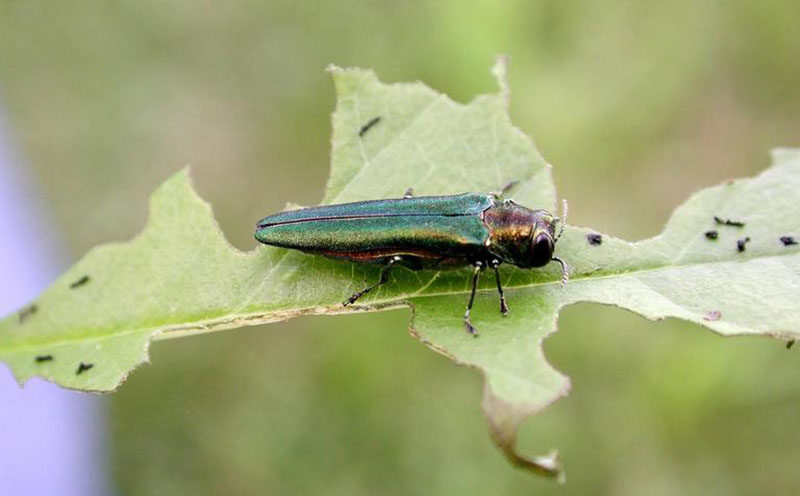
“Most species of trees that are being impacted by an insect problem are dealing with something that was imported,” Buell explained. “It’s often that the tree is being exposed to something it never evolved to deal with.”
In this case, an ash tree can be killed very quickly once infested with the EAB, commonly dying within four years of infection. From Brewer’s perspective, the ash tree’s battle against this pest highlights just how significant of a threat invasive species are to our trees.
“Most of the problems with tree management now are related to invasive species,” Brewer noted.
Still, as difficult as these pests are to remove, Brewer stated that it is an easier problem to address than disease and rot. Generally, insects take longer to cause significant damage than diseases and fungi, and preventative treatments can keep pests at bay — which is precisely why ash trees are placed lower than their ornamental neighbors.
5. Aleppo Pine
Aleppo pines (Pinus halepensis) are popular with many homeowners. Native to the Mediterranean region, these trees are adapted to abundant sunlight and extended periods without rain. They grow quickly, reaching over 65 feet in their maturity and offer lots of shade. But what makes them a common choice for backyards can also be their undoing.
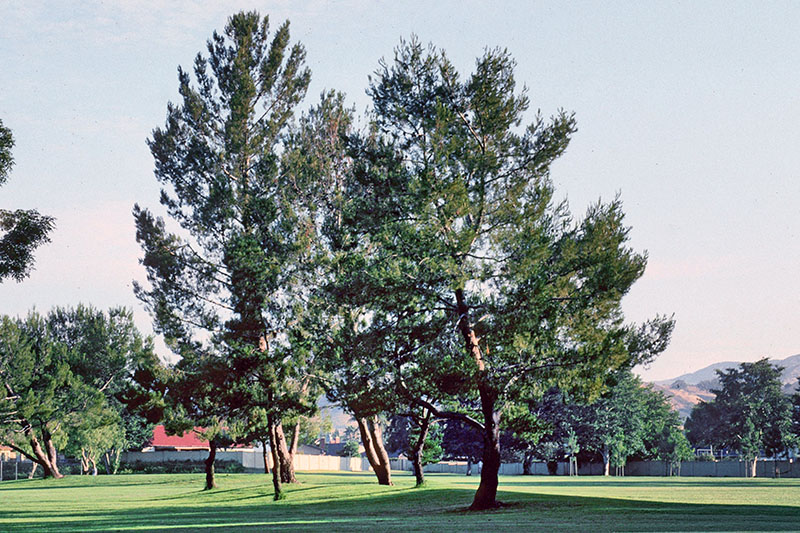
According to Burley, the Aleppo pine doesn’t just thrive in sunlight — it chases sunlight, bending towards an unobstructed area where it can receive the most direct source. Paired with their accelerated growth rate, these pines tend to develop a severe lean and become a structural nightmare.
“The problem with the Aleppo pine is they become very weighted,” Burley explained. “They’re chasing the sunlight more than most conifers. They very rarely grow straight up.”
More established and mature trees tend to grow roots as deep as six to 10 feet. However, with how rapidly the trunk grows, the root system is often much too shallow by the time it develops a lean. For these trees, it takes only one bad storm or night of high winds for it to become a hazard to surrounding homes and structures.
6. Norfolk Island Pine
Norfolk Island pines (Araucaria heterophylla) are the goldfish of the tree world. Meant to be an indoor plant, these trees thrive well with the right homeowner and appropriate pot size, growing only 10 feet in size. However, just as when well-meaning pet parents release Goldy into natural waterways, homeowners transfer their Norfolk Island pine tree outside to grow and flourish where they can reach heights of 60 feet.
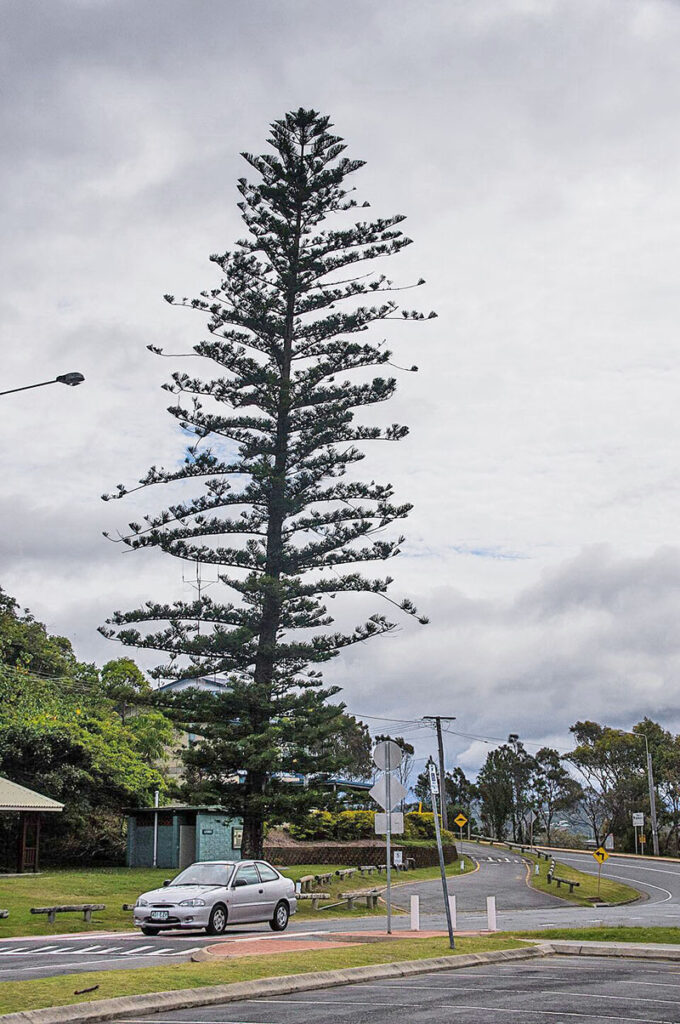
The result is a non-native species that grows too large for its own good to the damage and detriment of the surrounding ecosystem.
“These are a problem,” Burley explained. “They’re not meant to be that big.”
According to the NYBG Plant Information Service, Norfolk Island pines can be planted outside in USDA Hardiness Zones 10 and 11 (the warmest parts of the country), but that doesn’t mean that they should be. Just because an indoor plant grows outside doesn’t mean it has the same hardiness as those that grew from the ground, themselves.
“For us as climbers to get up and work on them, they’re a problem because they can’t support us,” Burley shared.
Unfortunately, Burley explained that reducing the size doesn’t work well for the tree, so the only management solution becomes removal.
Norfolk Island pine is indicative of a systemic issue the industry sees often: poorly planned tree plantings that end up needing complicated tree care.
“Tree work is an afterthought,” Burley said, regarding Norfolk Island pines. “There is little proactivity from the homeowner side.”

7. Eastern White Pine
The final contender for most difficult trees to manage is perhaps the most common: Eastern white pines (Pinus strobus). Unlike other challenging species on this list, it’s a functional conifer native to the U.S. These characteristics would typically make it relatively easy to care for if it weren’t for one issue:
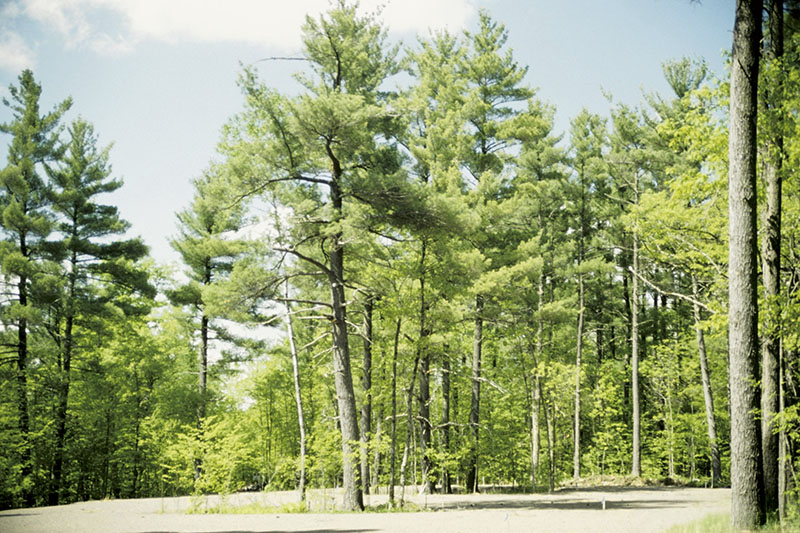
“White pines are in decline due to climate change,” Brewer said.
It isn’t the rising temperatures that are directly affecting this species though. Rather, the culprit is the balmy conditions that follow.
“The constant humidity is causing native fungi to grow exponentially.”
One such fungus is needle cast which causes the needles of pines, firs, and spruces to brown and drop prematurely. This fungus thrives in warm, wet conditions, particularly in the summer and fall when temperatures reach 77 degrees Fahrenheit. Infected trees will experience needle drop beginning in the lower branches before the fungus works its way to the top. Once the needles die, it isn’t long before the branches follow.
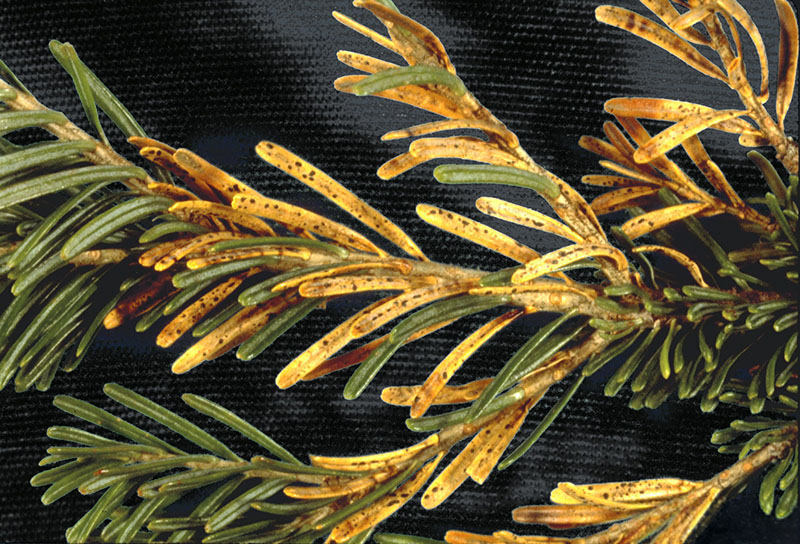
Treatment for these pines isn’t brief. As Brewer explained, needle cast fungi require consistent treatment — up to three or four sprays each spring — indefinitely.
This level of care then raises questions around the sustainability and ethics of tree care. As the treatment for this fungus may take several seasons, this gives time for the surviving spores to spread to new trees during wet weather and continue the decline of the forest.
“There’s no permanent solution for it,” Brewer said. “It’s not only can you do it, but is it ethical?”

Every Tree is Hazardous
While these specific species are particularly problematic for arborists working in the field, the challenges aren’t limited to those in this list. Many in the tree care industry believe that every species can be a problem if it’s planted in the wrong environment.
“Every tree is hazardous,” Burley said. “I think the environmental factors have the most play in whether a tree is hazardous or not.”
Instead, the focus should be on “right plant, right place,” proper planting, and maintenance to reduce the risk of issues.
“If they’re maintained properly, then the potential for those liabilities is greatly reduced,” Burley noted.
Likewise, Brewer shared that providing and promoting a healthy growth environment greatly reduces the challenges trees can present.
“Try to provide plants with a healthy growing environment as much as possible,” he said. “Then, they can better defend themselves against problems.”
Brewer also advocates for a diverse landscape — with plants that attract insects and other ecosystem services that help trees thrive.

“Diversity of trees in a landscape is important,” Aaron Dickinson, arborist at Arborcology LLC, explained. “If we have more diversity, we shouldn’t have as many problems.”
More than anything, Dickinson stated arborists need to be knowledgeable about the regions in which they work and the species that can cause issues.
“Know what trees have been problematic in the area and what you can do to prevent issues in advance,” he continued.
In Dickinson’s experience, sometimes it’s best to remove a challenging species and replace it with one that is better suited to the specific environment.
These seven trees may make the problem list, but that label shouldn’t completely define them. With an emphasis on proper planting and a sound management plan, many of the issues that make trees challenging can be mitigated. And perhaps, these species could very well make your list of favorite trees to work with.
Honorable Mentions
While these species didn’t make the list, they still pose their own challenges and should be carefully monitored.
Eucalyptus — Common along the West Coast, eucalyptus grows rapidly and can reach impressive heights. In residential settings, their size, brittle wood, and heavy limb drop make them difficult to manage, particularly in confined backyards or near structures.
Black Walnut — Known for producing juglone, a chemical that inhibits the growth of many surrounding plants, black walnut can complicate landscape planning. Its dense canopy, large nuts, and extensive root system can also create maintenance challenges.
River Birch — A fast-growing species that often develops multiple stems and uneven branch structure. Without proactive pruning, these trees can experience structural weaknesses that require ongoing management as they mature.